
Pool Leak Detection in Marietta, GA
Losing water from a pool does not always mean you have a leak, but when the loss goes beyond normal evaporation, finding the actual source matters before it turns into a bigger repair. Professional pool leak detection confirms whether a real leak exists and pinpoints where it is, whether that is a skimmer line, a return line, or the pool shell itself.
Call for Pool Leak Detection: +1 (678) 379-2664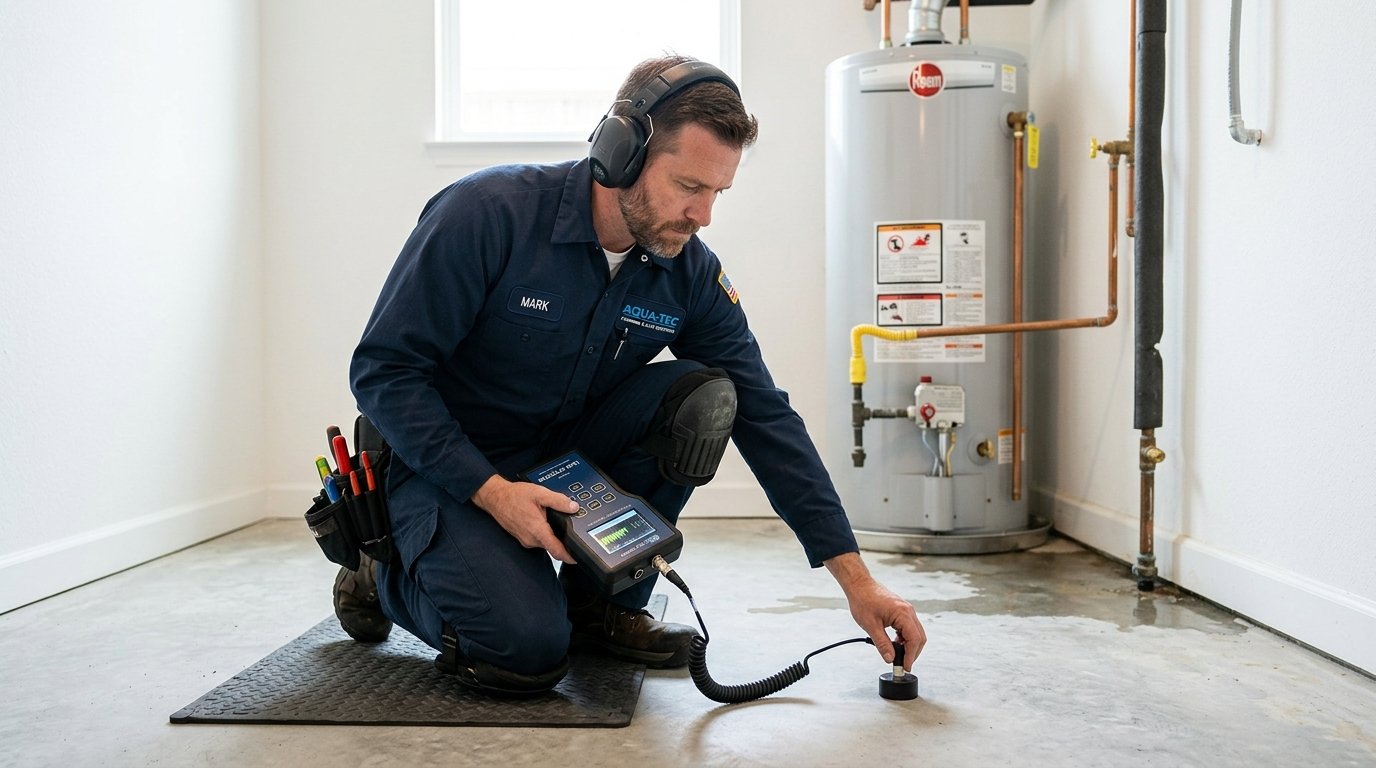
Is It a Leak or Just Evaporation?
Every pool loses some water to evaporation, and that rate varies with weather, sun exposure, and how often the pool is used. A simple way to check is the bucket test: place a bucket on the pool step filled to the same level as the pool water, mark both levels, and check again after 24 hours. If the pool has dropped noticeably more than the bucket, you are likely dealing with a real leak rather than ordinary evaporation.
Signs Your Pool Has a Real Leak
Beyond the bucket test, a few other signs point toward an actual leak.
Water Loss Beyond Normal Evaporation
Consistently needing to add significantly more water than expected, especially outside of peak summer heat, is one of the clearest signs of a genuine leak.
Wet Spots Around the Equipment Pad or Yard
Soggy ground near the pump, filter, or plumbing lines running to the equipment pad often points to a leak in that section of piping.
Air Bubbles in the Return Jets
Air bubbling from the return jets while the pump is running can indicate a leak on the suction side of the system, pulling in air along with water.
Cracks in the Pool Deck or Shell
Visible cracks in the deck or the pool shell itself, particularly ones that seem to be getting worse over time, are worth having inspected even if water loss has not been dramatic yet.
Common Sources of Pool Leaks
Skimmer line cracks, particularly at the connection point where the skimmer meets the plumbing, are one of the most common sources. Return line and main drain line cracks are also common, especially in older pools where the surrounding ground has shifted over the years. For vinyl liner pools, a tear or puncture in the liner itself is a frequent cause, while concrete and gunite pools are more prone to shell cracks. Marietta's clay-heavy soil is a contributing factor across all of these, since ground movement around a pool's structure and buried plumbing can stress joints and connections over time.
How We Detect a Pool Leak
Finding a pool leak should not mean draining the pool and guessing at where the problem is.
Pressure Testing Each Line
Each individual line, skimmer, return, and main drain, can be isolated and pressure tested separately, which narrows down exactly which line is responsible rather than treating the whole system as one unit.
Dye Testing
At a suspected crack or connection point, a small amount of dye released near the area will visibly move toward the leak if one is actually present there, confirming the exact location.
Visual Inspection of the Shell and Deck
A careful visual inspection of the pool shell and surrounding deck helps identify cracks or damage that may be contributing to water loss, particularly in older pools.
What Happens Once the Leak Is Located
Once the leak is found, you receive a clear explanation of which line or component is responsible and what repair options are available, whether that means a targeted line repair, a liner patch, or another approach suited to your specific pool.
Why Choose Us for Pool Leak Detection
Non-Invasive Detection First
We isolate and test each line individually before recommending any repair, so the fix addresses the actual problem rather than the whole system.
Local Knowledge of Marietta Pools
Understanding how Marietta's soil affects buried pool plumbing over time helps guide a faster, more accurate diagnosis.
Clear Findings Before Any Repair
You receive a clear explanation of what was found and what your repair options actually are, not a vague diagnosis followed by unexplained work.
Areas We Serve for Pool Leak Detection in Marietta
Pool leak detection is available throughout Marietta, including East Cobb, Marietta Square and Downtown Marietta, Sandy Plains, West Cobb, the Indian Hills, Sope Creek, and Papermill District, and Whitlock Avenue and Whitlock Heights. See our Leak Detection in Marietta, GA page for the full list of areas and zip codes we cover.
Schedule Your Pool Leak Detection in Marietta
If your pool is losing more water than the bucket test explains, or you have noticed a wet spot near the equipment pad, professional detection finds the real source before the problem gets larger. Contact us to schedule an appointment anywhere across Marietta.
Call for Leak Detection: +1 (678) 379-2664Service Areas Covered in Cobb County
Select your area below for localized leak detection details:
Kennesaw →
Zip code 30144.
Smyrna →
Zip code 30080.
Roswell →
Zip code 30075.
Acworth →
Zip code 30101.
Woodstock →
Zip code 30188.
Powder Springs →
Zip code 30127.
Mableton →
Zip code 30126.